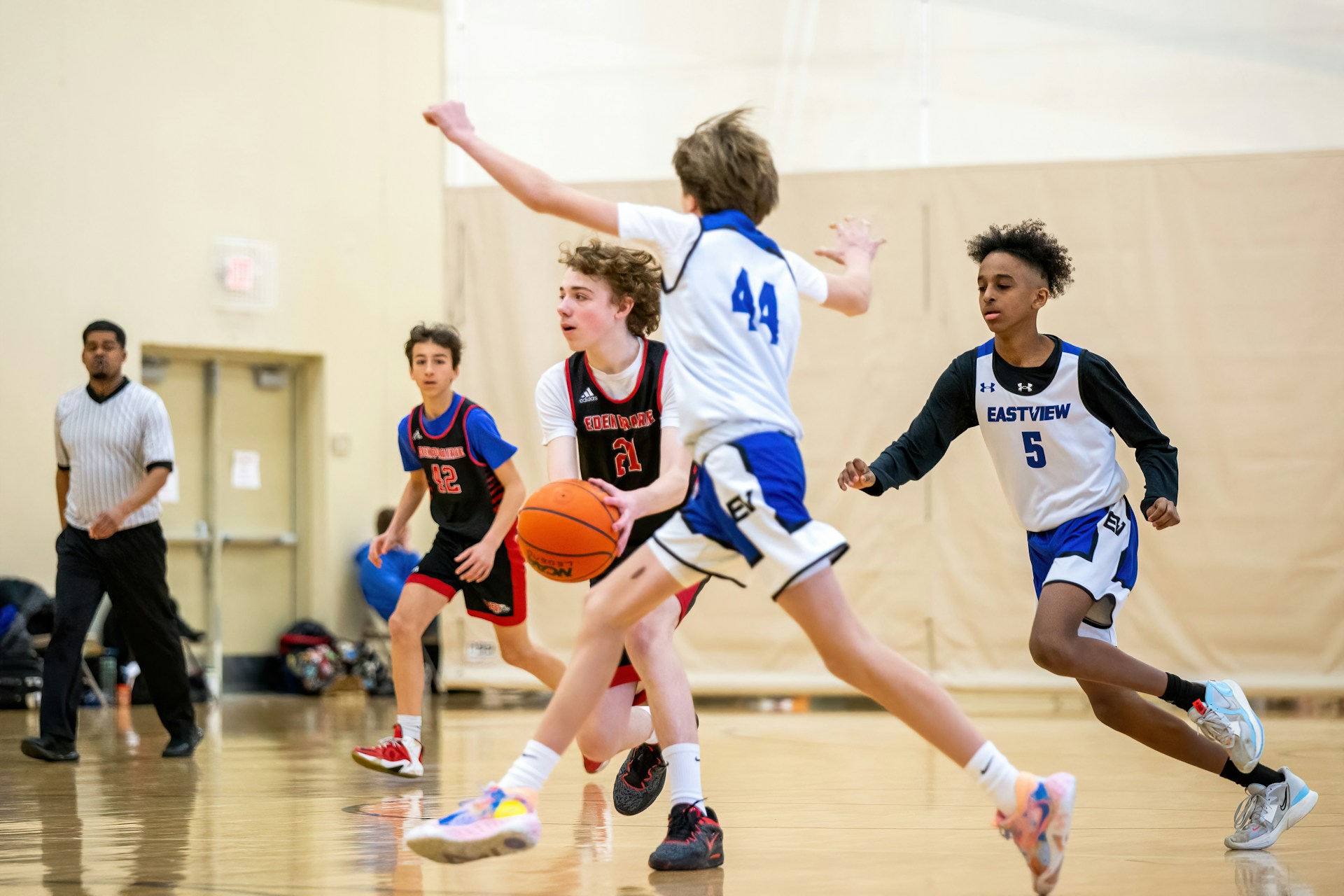
Sports have always offered more than competition. They create spaces where young people learn discipline, teamwork, and confidence. Through thoughtful coaching and strong support systems, athletes discover skills that help them succeed in school, relationships, and future careers. Today, youth sports mentorship plays an important role in helping children and teenagers find direction, build character, and believe in their own abilities.
When caring adults invest time in young athletes, they create lasting memories and meaningful lessons. A coach, mentor, or team leader can become someone who encourages a child during difficult moments and celebrates every achievement. As a result, sports become a powerful tool for personal development and community growth.
The Power of Positive Role Models
Young athletes often look beyond the game itself. They watch how coaches handle challenges, how teammates treat each other, and how leaders respond to pressure. Because of this, positive role models can influence attitudes and behaviors that shape a person’s future.
A strong mentor does more than teach techniques or strategies. Instead, they listen, provide encouragement, and help young people understand the importance of effort. For example, a coach who praises improvement instead of focusing only on winning teaches athletes that progress matters.
Furthermore, mentors help young people develop emotional strength. They show athletes how to manage disappointment, accept feedback, and keep working toward goals. These lessons often remain valuable long after a season ends.
Creating Confidence After Competition
Confidence grows when young people experience support and recognition. Sports give them opportunities to practice, improve, and see the results of their dedication. Even small achievements, such as learning a new skill or helping a teammate, can create a stronger sense of self-belief.
Additionally, athletics teach children that mistakes are part of learning. A missed shot, a lost match, or a difficult practice session can become a chance to grow. With proper guidance, athletes learn that setbacks do not define them.
This mindset can influence many areas of life. Students who gain confidence through sports often feel more prepared to face academic challenges and personal responsibilities. Therefore, athletic experiences can create a foundation for lifelong resilience.
Lessons That Reach Into Daily Life
The lessons learned through sports often extend far beyond practice fields and courts. Athletes discover the value of communication, commitment, and respect. These qualities help them build healthier relationships and make better decisions.
Moreover, team environments teach young people how to work with different personalities. They learn that success requires cooperation and trust. These experiences prepare them for future workplaces, friendships, and leadership opportunities.
Many programs also focus on service and responsibility. When athletes participate in community events or support younger players, they understand the importance of giving back. In this way, sports become a pathway for creating responsible citizens.
Coaches Who Encourage Personal Growth
Coaches have a unique ability to shape the experiences of young athletes. While technical training matters, great coaches understand that personal growth deserves equal attention. They recognize each athlete’s strengths and help them overcome weaknesses.
A successful coach creates an environment where everyone feels valued. Instead of comparing players constantly, they encourage individual improvement. This approach helps athletes stay motivated and enjoy the process of learning.
In addition, coaches often become trusted sources of advice. Many young people face challenges outside sports, including stress, uncertainty, and pressure from daily life. A caring coach can provide guidance that helps athletes make positive choices.
Developing Skills for Future Success
Athletics teach practical skills that young people can use throughout their lives. Time management, goal setting, and teamwork are just a few examples of abilities developed through regular participation.
For instance, athletes must balance training schedules with school responsibilities. They learn how to organize their time and stay committed to important goals. These habits can support success in education and professional settings.
Another important benefit comes from leadership opportunities. Older athletes often guide younger teammates, which helps them become better communicators and decision-makers. During these moments, athlete leadership development becomes a valuable part of the overall experience.
Furthermore, sports encourage adaptability. Players must adjust strategies, respond to challenges, and continue improving. These skills help them handle change with confidence in many parts of life.
Community Connections With Athletic Programs
Sports programs can bring entire communities together. Families, schools, volunteers, and local organizations often work together to support young athletes. These connections create stronger neighborhoods where children feel supported.
Because of these relationships, sports can reach young people who need encouragement and opportunity. Programs that welcome different backgrounds help create inclusive environments where everyone can participate and grow.
At the same time, community support improves the quality of athletic experiences. Volunteers can provide resources, organize events, and create safe spaces for learning. As a result, young athletes gain access to opportunities that may shape their futures.
The Lasting Impact of Shared Experiences
The memories created through sports often stay with people for years. Teammates remember the friendships, challenges, and achievements that shaped their early experiences. These connections can inspire a lifelong appreciation for teamwork and personal growth.
Additionally, mentors often leave a lasting impression on athletes. A simple conversation, encouraging message, or act of support can influence a young person’s choices. These moments show why mentorship remains such an important part of youth development.
Sports also create opportunities for young people to discover their passions. Some may continue as athletes, while others may become coaches, volunteers, or community leaders. Every experience can provide valuable lessons that guide future decisions.
Preparing Future Leaders With Strong Foundations
The next generation needs more than skills for competition. They need confidence, compassion, and strong values that help them contribute positively to society. Through sports and mentorship, young people can develop these qualities in meaningful ways. Programs focused on future leadership through sports give athletes opportunities to practice responsibility, teamwork, and decision-making while receiving support from trusted adults.
As communities continue to invest in youth programs, the impact can reach far beyond individual athletes. Strong mentorship creates connections between generations and encourages young people to become role models themselves. Ultimately, sports provide a pathway where effort, encouragement, and teamwork can help create a brighter future for everyone.