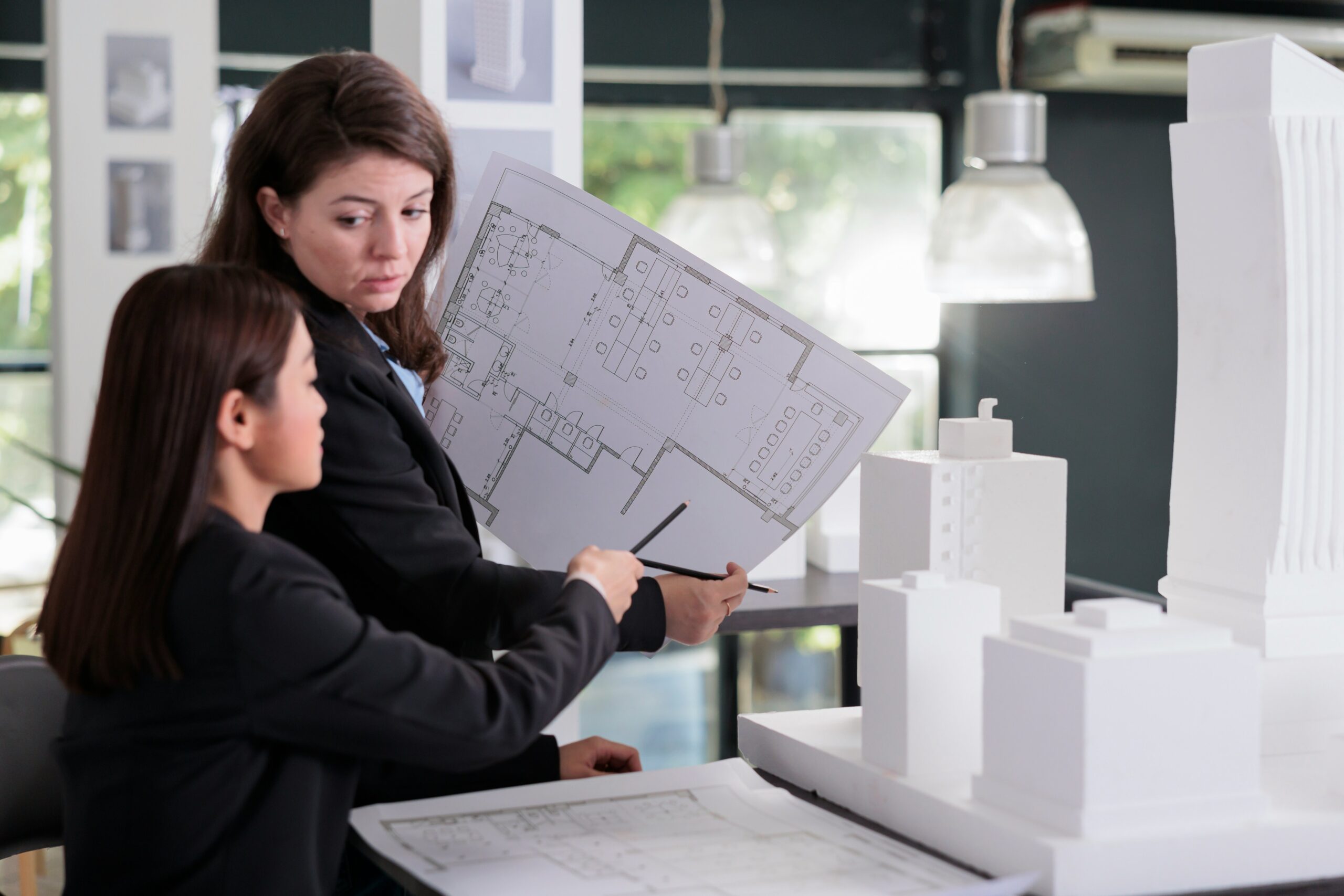
Women across the architecture industry continue to influence design and leadership, reshaping the modern built environment. As their presence grows within architectural firms, design studios, academic institutions, and construction leadership roles, they contribute perspectives that strengthen creativity and modern innovation throughout the profession. In the middle of this progress, their growing involvement with advanced technology is helping transform how architects plan, visualize, and construct spaces. Their work expands design thinking and promotes more inclusive spaces for diverse communities.
At the same time, their leadership within organizations helps foster stronger professional cultures that value mentorship, teamwork, and long-term vision. By combining technical expertise with strategic insight, women architects continue to influence how projects move from concept to completion. Their expanding presence brings new energy, wider collaboration, and forward-thinking ideas that help move the profession toward a more inclusive and sustainable future.
Leadership That Strengthens Modern Design Culture
Women are stepping into leadership roles that once felt out of reach, and they bring a style of guidance rooted in clear communication and teamwork. As they take on more responsibility within firms, they help create an environment where people feel empowered to share ideas and challenge outdated norms. This shift strengthens workplace culture and supports healthier creative collaboration.
At the same time, their leadership encourages firms to adopt values that resonate with today’s clients. Because people now expect transparency and empathy from professional partnerships, women leaders often set the standard for authentic connection. This presence fosters trust, which leads to stronger relationships and smoother project experiences.
Sustainable Approaches That Shape Healthier Communities
Women often champion environmental responsibility, and their influence nurtures a building culture focused on long-term well-being. As climate concerns rise, more clients seek design solutions that reduce pollution, conserve energy, and respect natural resources. Women help guide this shift by promoting better material choices and thoughtful planning.
Additionally, their commitment to environmental integrity expands the conversation beyond simple efficiency. They encourage architects to consider how structures affect public health, urban ecosystems, and community resilience. Because these issues continue to gain attention, their leadership ensures sustainable practices receive the priority they deserve.
Community Engagement That Deepens Project Impact
Women commonly emphasize listening to community members, which improves the quality of design outcomes. By encouraging open dialogue, they help residents feel included and valued. This sense of involvement improves public support, which often leads to smoother approval processes and more successful project launches.
Furthermore, community conversations highlight needs that professionals might miss, such as cultural identity, access to outdoor spaces, or safety concerns. Women help translate these insights into design choices that make spaces feel welcoming. As a result, projects reflect real life rather than abstract theory.
Technology Integration That Strengthens Creative Workflows
Women are playing vital roles in guiding firms through rapid technological change. Because digital tools continue to evolve, architects must learn new systems that improve accuracy, speed, and collaboration. Women often lead training efforts and encourage teams to explore advanced modeling platforms, helping firms keep pace with industry shifts.
In addition, these tools create opportunities for more flexible work environments. Remote collaboration, cloud-based modeling, and real-time coordination help teams stay productive even when working across different locations. Since women frequently advocate for inclusive work models, technology can catalyze both efficiency and balance.
Wellness-Focused Design That Supports Human Needs
Women designers frequently highlight the connection between environment and well-being. As people spend more time indoors, design choices influence mental clarity, physical comfort, and emotional stability. Women contribute by promoting features such as daylight access, cleaner ventilation, quiet zones, and supportive spatial flow. These elements help people feel healthier and more engaged in their environments.
Moreover, wellness-driven design helps businesses increase worker productivity and satisfaction. Schools, hospitals, and community centers also benefit when spaces support calm, comfort, and focus. Because these improvements create long-term value, firms with strong wellness principles often stand out to clients seeking meaningful impact.
Mentorship That Inspires the Next Generation
Women who succeed in the field often use their experience to guide and encourage emerging designers. Their mentorship provides reassurance, clarity, and motivation to students who may question whether the profession has a place for them. Because representation influences confidence, seeing women excel helps young people imagine their own potential.
Furthermore, mentorship builds strong professional networks. Through shared conversations and constructive feedback, students learn how to navigate challenges, refine skills, and prepare for leadership. Women mentors also help shape workplaces that celebrate curiosity and growth, ensuring that architecture continues to evolve in positive ways.
Accessibility Efforts That Strengthen Social Equity
Women frequently advocate for accessible environments that welcome all people. They champion strategies that make movement easier for individuals with disabilities, aging adults, and families with young children. These features include thoughtful circulation paths, intuitive navigation, and adaptable layouts that respond to different mobility needs.
In addition, creative design helps neighborhoods thrive by enabling more people to participate fully in public life. When communities feel connected rather than divided, social strength increases. Women who promote accessible design help reinforce the belief that every person deserves spaces that reflect dignity and equal opportunity.